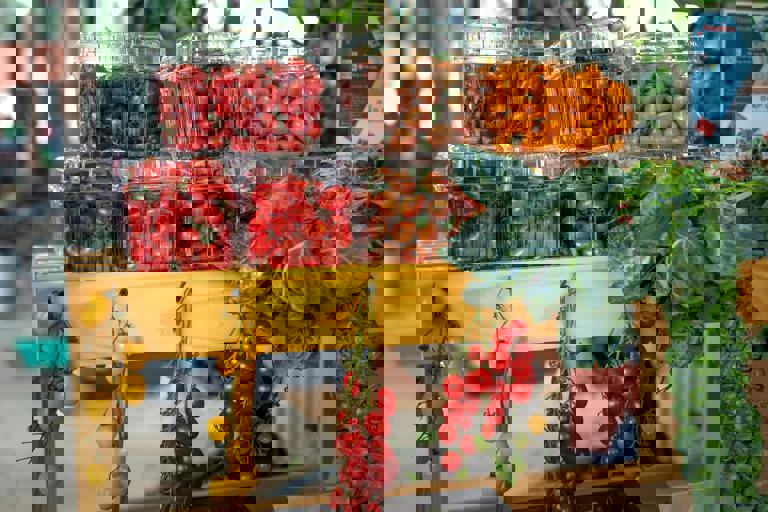
At farmers’ markets across Canada, a vibrant transformation is taking shape. Shoppers are greeted with an astonishing array of heirloom tomatoes, bursting with unique colours, shapes, and flavours not found among typical grocery store offerings. The renewed interest in these rare varieties reflects a broader trend toward local, sustainable, and diverse agricultural practices. Heirloom tomatoes, once considered a nostalgic rarity, have become centrepieces of summer market displays from Quebec to British Columbia.
Heirloom tomatoes are distinct from the hybrid varieties commonly sold in supermarkets, prized for their rich history and genetic diversity. Unlike many mass-produced tomatoes bred for shelf life and transportability, heirlooms are open-pollinated and often originate from seeds passed down through generations. The whimsical names—Brandywine, Cherokee Purple, and Green Zebra, to name a few—tell stories of heritage and tradition, enticing shoppers to explore culinary possibilities.
Local chefs have joined the movement, actively seeking out heirloom tomatoes for their menus. Chef Juliette Tremblay of Montreal’s Le Potager Vivant describes these tomatoes as “a revelation—each variety brings a different texture, sweetness, and acidity to the plate.” Her summer salads and heirloom tomato tarts have developed a loyal following, with some customers returning weekly in anticipation of the season’s new arrivals. For chefs, heirlooms represent both artistry and flavour.
The embrace of heirloom tomatoes by Canadian consumers has had a ripple effect among small-scale farmers. Growers such as Daniel Lee at Victoria’s Moss Street Market have responded to demand by expanding their plantings. “Five years ago, I had maybe two beds of heirlooms, mostly for myself,” Lee recalls. “This year, nearly half my tomato crop is heirloom varieties. Customers are captivated by their colours and taste—they sell out fast.”
Market vendors report that shoppers are asking more questions, seeking out information on tomato origins, cultivation methods, and flavour profiles. For many, the decision to buy heirloom is also a statement about supporting local agriculture and biodiversity. “It’s about preserving seeds and stories,” explains farmer Michelle Dubois of Ontario’s Green Earth Gardens. She notes that some customers buy seeds to try growing their own, furthering the heirloom revival.
The visual appeal of heirloom tomatoes cannot be overstated. Varieties range from the deep, dusky hues of the Black Krim to the sunny yellows of the Lemon Boy, each fruit sporting its own unique marbling or striping. Displays at city markets resemble painter’s palettes rather than produce bins, with vendors artfully arranging their bounty to maximize visual impact. Social media platforms such as Instagram are awash with snapshots of eye-catching tomato hauls, fueling further curiosity.
Nutritionists and food advocates tout the health benefits of heirloom tomatoes, which are often grown organically and picked at peak ripeness. According to the Canadian Produce Marketing Association, tomatoes are an excellent source of vitamins A and C, potassium, and powerful antioxidants such as lycopene. “The deeper the colour, the more phytonutrients,” explains dietitian Rina Singh. She encourages consumers to eat a variety of colours and shapes for optimal nutritional value.
This growing popularity has supported the growth of seed-saving initiatives and heirloom exchanges across Canada. Groups such as Seeds of Diversity organize seed swaps and educational events, teaching communities how to maintain and propagate rare tomato varieties. “It’s about community resilience and food sovereignty,” shares executive director Tracey Smith. “By growing and saving these seeds, we reduce our reliance on commercial seed companies and protect agricultural heritage.”
The resurgence of heirloom tomatoes is also having an economic impact. Farmers’ markets are seeing increased traffic during peak tomato season, driven by consumers seeking unique flavours and experiences that cannot be replicated in large-chain supermarkets. According to a 2023 report by Farmers’ Markets Ontario, attendance figures in August showed a marked uptick attributed, in part, to the heirloom tomato craze. This benefits local farmers and encourages market-driven innovation.
Canada’s diverse climate poses both challenges and opportunities for heirloom tomato growers. While the brief summer season imposes constraints, greenhouses and hoop houses have expanded growing capacity, allowing for a wider selection and longer availability. In regions such as southern British Columbia and the Niagara Peninsula, favourable microclimates permit bolder experimentation. Some farmers are even trialing rare international varieties to adapt them to Canadian conditions.
Culinary schools and gardening clubs are also playing a role in preserving and promoting heirloom tomatoes. Workshops on seed starting, organic cultivation, and tomato tastings are drawing in new enthusiasts. The University of Guelph’s Agricultural College reports increased enrollment in courses focused on heritage crops, with tomatoes being a highlight. As more Canadians try their hand at backyard gardening, heirloom seeds are finding their way into urban gardens and community plots alike.
Despite their growing popularity, heirloom tomatoes still face challenges. They are more susceptible to disease and pests than hybrid varieties, and their delicate skins can make them tricky to transport. Yet, for many growers and consumers, the rich flavours and cultural significance easily outweigh these hurdles. The story of heirloom tomatoes in Canada is a testament to the resilience and ingenuity of farmers, chefs, and communities united by a shared passion for food heritage and local abundance.