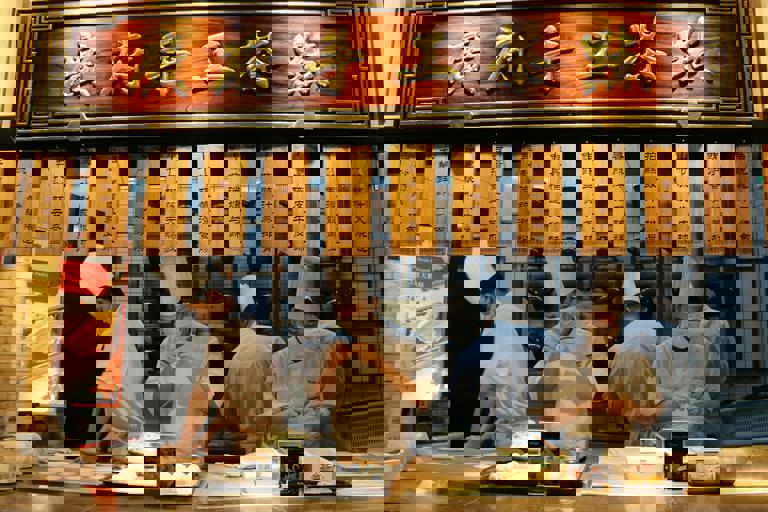
Vancouver, a city known for its rich cultural tapestry and culinary innovation, is witnessing a new and remarkable trend in dining. Inspired by the time-honoured traditions of Indigenous storytelling, a collective of chefs and restaurateurs is developing immersive culinary experiences that go far beyond traditional meals. These events are designed to bring First Nations legends and ancestral wisdom to life, captivating guests with narrative-driven, seasonal menus that honor local histories and ingredients in equal measure.
The roots of this culinary movement trace back to longstanding First Nations customs along Canada’s West Coast, where oral storytelling has been a fundamental method for transmitting cultural heritage. Michelin-starred chef Thomas Gray Wolf, a member of the collective, explains, “Storytelling is at the heart of Indigenous culture. It’s how we teach, remember, and respect our ancestors. We wanted to carry that spirit into our food.” His vision is shared by many other Indigenous chefs seeking to bridge tradition and modernity.
Menus at these storytelling dinners are a tribute to both the land and its people, with dishes carefully chosen to reflect notable legends and seasonal cycles. For example, a recent dining event revolved around the tale of the Salmon People, featuring wild-caught sockeye—smoked and served with native plants like fiddlehead ferns and salal berries. The sequence of courses is meticulously woven with narration, each dish accompanied by a storyteller sharing the legend’s deeper meanings.
Dr. Carla Williams, a professor of Indigenous Studies at the University of British Columbia, sees this trend as a powerful form of cultural resurgence and education. “Food has always been a conduit for culture,” she notes. “When paired with oral traditions, it invites the broader public to engage meaningfully with Indigenous perspectives, histories, and values. It’s a transformative way of learning.” Her comments highlight how these events foster respectful cultural exchange.
At the heart of these culinary evenings is a commitment to locally sourced, sustainable ingredients—a philosophy deeply embedded in Indigenous worldviews that value environmental stewardship. Guests might find themselves sampling Pacific oysters harvested with traditional methods or wild berry preserves made using recipes passed down through generations. The collective partners directly with Indigenous farmers and foragers, ensuring authenticity and supporting rural economies.
The ambience of these dining experiences is equally significant. Many events are held in thoughtfully chosen venues: art-filled longhouses, intimate garden pavilions, or waterside patios that echo the natural settings of the original stories. Live musicians performing with traditional instruments, along with art installations, create a multisensory immersion that strengthens the connection to the narrative. Lighting, décor, and even seating arrangements are designed to evoke the sense of gathering around a fire for communal storytelling.
Guests, both local and visitors from afar, have described these nights as deeply moving. Laura Chen, a recent attendee, commented, “It was more than a meal—it felt like an honor. You come away with a sense of belonging to this place and its history, even if you’re not Indigenous yourself.” Such testimonials underscore the events’ growing popularity, with many dinners selling out shortly after being announced, and long waitlists forming for future sessions.
While the focus is firmly on Indigenous knowledge and tradition, the chefs are not afraid to innovate. Dishes often feature unexpected fusions, such as juniper brined venison paired with locally foraged wild mushrooms in a cedar reduction, or bannock served alongside modern-day adaptations like seaweed pesto. These creative touches reflect Vancouver’s multicultural energy while staying true to foundational Indigenous values and techniques.
Beyond the table, these events also double as platforms for community-building and reconciliation. Organizers encourage guests to participate in traditional songs, ask questions, and engage in dialogue with elders and performers. Proceeds from many dinners are directed toward youth mentorship programs and language revitalization projects, strengthening community ties and supporting Indigenous futures.
Vancouver's hospitality industry has responded positively to the trend, with notable mainstream restaurants seeking collaborations with Indigenous chefs and storytellers. The city’s tourism board has added these events to its official cultural itinerary, emphasizing their role in promoting inclusive, respectful tourism. “These collaborations are an important part of telling Vancouver’s story,” says Pierre Lafleur, a tourism spokesperson. “They embody the diversity and innovation our city is known for.”
As the movement grows, challenges remain. Some critics urge caution to prevent commodification or oversimplification of sacred stories, advocating for deeper consultation with knowledge-keepers. Others point out that access remains limited due to high demand or ticket costs. Organizers are aware of these concerns and work closely with Indigenous elders and cultural advisors to maintain authenticity and integrity in every event.
Looking ahead, the collective aims to expand its reach by hosting pop-up dinners in other Canadian cities and offering educational workshops in schools. Plans are also underway to produce a cookbook featuring recipes and legends from the events, in consultation with community knowledge-keepers. This will provide a resource for those wishing to learn more about Indigenous foodways and storytelling traditions, extending the impact far beyond Vancouver.
Ultimately, these culinary storytelling nights represent a unique convergence of food, history, and narrative—one that resonates deeply with both Indigenous and non-Indigenous communities. By bringing legends to the table, Vancouver’s chefs not only serve unforgettable meals but also foster greater understanding, respect, and connection to the land. As word spreads, these immersive experiences look set to inspire similar movements across Canada and beyond, celebrating the enduring power of Indigenous culture through every bite and every story shared around the fire.