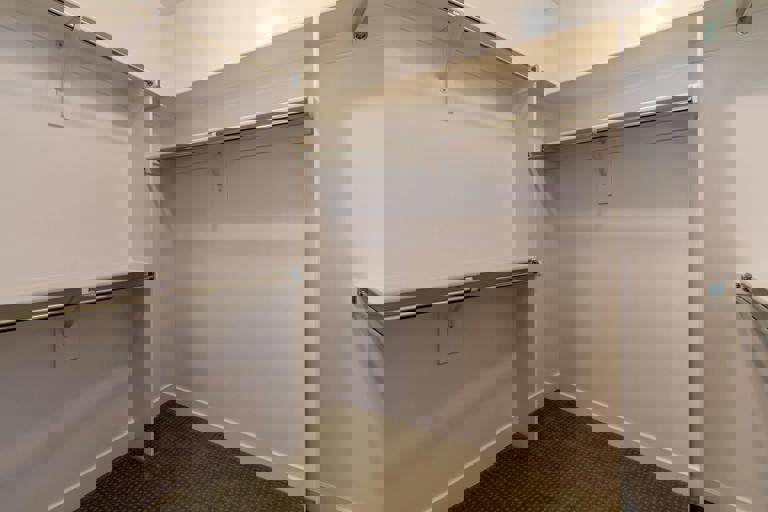
Across Canada, a quiet revolution is taking place in the way people choose to live. The minimalist living movement is inspiring thousands of Canadians to downsize their homes, declutter their lifestyles, and place a renewed focus on comfort, flexibility, and mental well-being. From urban condos to rural cottages, the trend is redefining not only how homes look but also how homeowners relate to their living spaces.
Canadians are increasingly drawn to smaller, more functional dwellings. According to a 2023 survey by the Canadian Real Estate Association, 27% of respondents said they would consider moving to a smaller home within the next five years. Many cited the desire to reduce living costs and simplify daily routines as key motivators. This desire for less physical space often goes hand in hand with a deep reassessment of personal priorities.
The core philosophy of minimalism—owning fewer possessions to gain more freedom—resonates particularly with younger Canadians and retirees alike. Millennials see minimalism as a way to navigate urban affordability, while retirees value the ease of maintaining a smaller, more manageable home. "I feel liberated," says Marie Dubois, a Montreal resident who recently downsized. "I have more time and energy for things that truly matter."
Beyond its practical appeal, the minimalist movement is tied closely to mental health. Studies from the University of British Columbia suggest that decluttering can significantly reduce stress and improve focus. Psychologist Dr. Teresa Lang notes, "Living with fewer distractions and less clutter can create a calming environment conducive to better emotional well-being. Canadians are increasingly recognizing this connection."
Minimalist trends also reflect shifting attitudes toward consumerism. Canadians, historically known for their thrift and pragmatism, are embracing the idea that owning more doesn’t necessarily equate to happiness. The rise of local buy-nothing groups and second-hand marketplaces—such as Bunz and Facebook Marketplace—demonstrates a cultural shift toward sustainability and conscious consumption.
In major Canadian cities like Toronto and Vancouver, real estate prices have contributed to the surge in minimalist living. With average home prices out of reach for many, residents are making intentional choices to live in smaller spaces. Developers are responding by building micro-condos and efficient apartments that maximize utility without sacrificing comfort or aesthetics.
Technology is playing a significant role in making minimalist living possible. Multifunctional furniture, smart storage solutions, and home automation help Canadians get more out of less. Toronto-based designer Samantha Huang says, "Clients are looking for pieces that serve multiple purposes—a sofa that turns into a bed, or a coffee table with hidden storage. Minimalism is driving innovation in home design."
The influence of Scandinavian and Japanese décor is increasingly evident in Canadian interiors. Clean lines, neutral palettes, and natural materials dominate the aesthetic. Vancouver homeowner Kevin Zhang has embraced these influences in his own space. "I've discovered that a simple, uncluttered design brings a sense of harmony. It's about creating a sanctuary where every item has a purpose and a place."
The environmental benefits of minimalist living are another key driver for many Canadians. Reducing the consumption of goods—particularly furniture and electronics—translates to a smaller ecological footprint. According to Environment and Climate Change Canada, residential waste per capita has seen a slight decrease in provinces with higher rates of downsizing and minimalist adoption.
Minimalism is also fostering stronger communities. As people declutter, many are donating or swapping items instead of sending them to landfill, building connections and supporting local charities. The sharing economy has seen growth through tool libraries and community kitchens, where less private ownership leads to more communal resource utilization. This approach aligns with Canada's long-standing spirit of cooperation.
Changing family dynamics are influencing the movement as well. With more Canadians living alone or in smaller households, traditional family homes with multiple bedrooms and expansive spaces are less in demand. Instead, there is a growing appreciation for flexible spaces that can adapt to evolving needs, such as remote work areas or multipurpose guest rooms.
Despite its many positives, the transition to minimalist living is not without challenges. Letting go of personal possessions, particularly items with sentimental value, can be emotionally difficult. Downsizers often require emotional support and practical guidance to avoid feeling overwhelmed. Professional organizers and minimalist coaches are increasingly offering services to help Canadians navigate these transitions and maintain their new lifestyles.
As the minimalist living movement gains traction, it is quietly reshaping Canadian society. By fostering intentional consumption and prioritizing well-being, it is helping residents find satisfaction in less rather than more. This trend is likely to endure, experts say, as affordability and sustainable living continue to be top-of-mind. Canadians are proving that sometimes, the key to happiness lies not in bigger homes, but in simpler, more mindful living spaces.