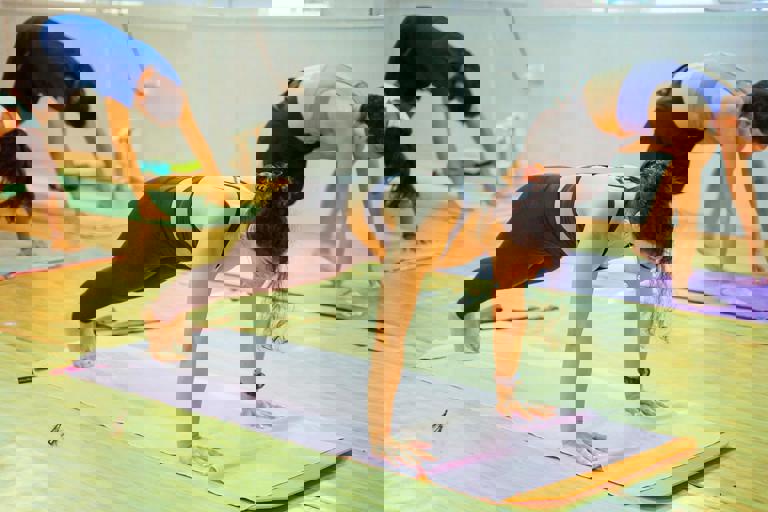
In recent years, boutique fitness studios have increasingly become a hallmark of Canada's urban landscape, especially among professionals seeking something beyond the standard gym experience. These specialized studios offer curated workout options, responding to the growing demand for tailored fitness routines within bustling city environments like Toronto, Vancouver, and Montreal. Their popularity is hardly surprising, given the desire for both variety and community in modern fitness culture.
Unlike traditional gyms, which often focus on individual exercise with generic equipment, boutique studios tend to emphasize unique, instructor-led group sessions. These include yoga in city parks, aerial dance classes in converted warehouse spaces, and high-energy circuit training. According to Fitness Industry Council of Canada, nearly 40% of urban gym-goers in major cities prefer boutique studios for their specialized classes and more personalized atmosphere.
The appeal stretches beyond simply burning calories; for many, these studios offer a sense of belonging and motivation. Meera Patel, a marketing executive living in downtown Toronto, remarks, “I used to dread working out. But now, with these small classes, I look forward to seeing familiar faces and trying new routines.” This shared sentiment is echoed by countless young professionals balancing hectic work lives with the need for wellness.
Another driving force behind the movement is the desire for novelty and challenge. Boutique studios routinely update their offerings, with some hosting weekly themed workouts or introducing unconventional fitness formats. For example, aerial fitness, which incorporates elements of acrobatics and dance, has seen a 20% uptick in enrollment across Canada since 2021, according to ClassPass Canada data. This constant innovation keeps participants engaged and returning for more.
Location plays a crucial role in the success of boutique studios. In dense urban neighborhoods, proximity is vital. Many studios are nestled in vibrant pockets of the city, making it convenient for professionals to attend a lunchtime class or unwind with evening sessions after work. Urban planners have noted that these studios contribute to the social fabric of neighborhoods, creating energetic hubs of activity that foster connections.
Partnerships with local parks and community centers have also enabled studios to host outdoor yoga and bootcamp classes, drawing professionals who yearn for fresh air during their workouts. In Vancouver, the popularity of yoga in Stanley Park is a testament to this trend, attracting crowds each weekend. As Sara Muller, an instructor at a Gastown studio, points out, “Exercising in green spaces brings mental clarity alongside physical benefits, which resonates with our clientele.”
Technology is another element shaping the boutique fitness landscape. Studios now embrace online booking, mobile apps, and wearable fitness trackers to enhance the client experience. Hybrid classes, combining in-person and virtual participation, have matured since the pandemic. Statistics from FitActive Networks show that over 55% of boutique studio members in Canada have joined at least one virtual session in the past six months, increasing accessibility for busy professionals.
For some, the cost of boutique studios may be a barrier. Monthly memberships and class packs are often pricier than standard gyms, reflecting the personalized attention and smaller class sizes. However, many urbanites justify the expense as an investment in health and wellbeing. Amy Li, a Montreal-based HR analyst, shares, “I spend more, but I feel more accountable and supported. That’s worth it, especially considering my work schedule.”
Studios are responding to this concern by introducing flexible pricing models, such as drop-in rates, corporate discounts, and trial offers. Some studios collaborate with employers to offer wellness incentives, recognizing that a fit workforce is a productive one. The Canadian Chamber of Commerce reports a noticeable rise in companies supporting employee wellness programs, with boutique studios featuring prominently in these benefits packages.
Beyond physical benefits, boutique studios aim to nurture overall wellbeing. Many now offer mindfulness workshops, nutrition seminars, and community events. This holistic approach aligns well with the growing appreciation for mental health and work-life balance among younger Canadians. As wellness expert Dr. Isabelle Gagnon explains, “Providing a spectrum of services—physical, mental, and social—helps clients thrive in all areas of life, not just fitness.”
Looking ahead, the boutique fitness trend shows no signs of slowing down. Urban professionals continue to seek variety, social interaction, and meaningful engagement through their wellness routines. Studios are expected to evolve further, with more outdoor classes, virtual options, and creative collaborations shaping the industry. As cities like Toronto and Vancouver expand, the demand for innovative, community-driven fitness experiences appears set to flourish across Canada’s urban centers.