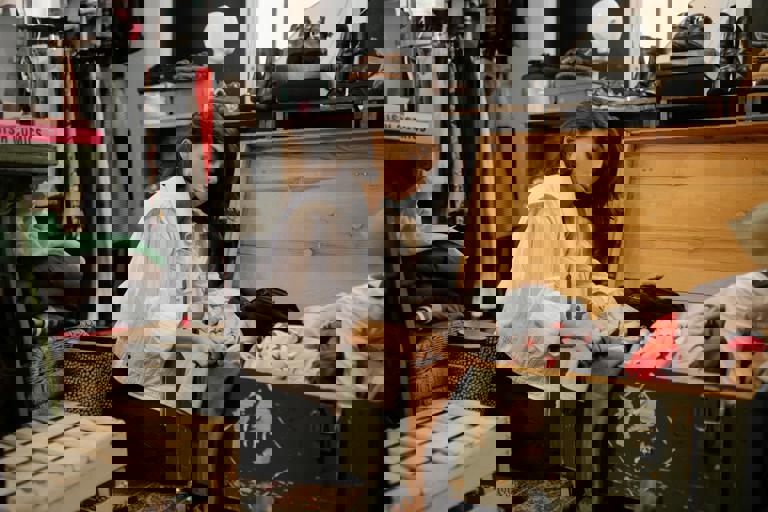
Eco-friendly fashion brands are capturing the attention and wallets of millennial shoppers across Canada, signaling a major shift in consumer behavior. Rising environmental concerns as well as growing awareness of the negative impacts of fast fashion have encouraged young Canadians to seek alternative clothing options. These conscious consumers are prioritizing sustainable materials, transparent supply chains, and ethical production practices over fleeting trends and low-cost mass-produced garments.
Statistics reveal the depth of this movement: according to a 2023 survey by the Canadian Apparel Federation, 62% of millennials stated that eco-friendly practices influence their purchasing decisions. Brands that employ organic cotton, recycled polyester, and innovative bio-based fabrics are standing out in a crowded marketplace. This demand is pushing both established labels and emerging designers to rethink how their products are sourced and manufactured.
A central factor driving loyalty to these brands is supply chain transparency. Shoppers now demand access to information about where and how their clothes are made. Vanessa Liu, co-founder of Toronto-based sustainable label Boreal Thread, explains, “Our customers want to know every step of our process, from farm to finished garment. They’re not just buying clothes—they’re investing in our values.” This level of openness has become a hallmark of trusted fashion brands.
Many eco-friendly labels have adopted certification programs to verify their ethical and environmental claims. Certifications such as the Global Organic Textile Standard (GOTS) or Fair Trade are increasingly sought after by Canadian consumers. These third-party validations help shoppers distinguish between genuinely sustainable products and those engaging in 'greenwashing,' thereby building deeper trust and loyalty with their customer base.
Millennials are not only buying from sustainable brands; they are also amplifying their message through social media. Instagram, TikTok, and other platforms are filled with influencers promoting mindful shopping, clothing swaps, and upcycled outfits. Local personalities like Montreal's Sarah Belanger, who documents her low-waste lifestyle, say sharing eco-conscious fashion finds empowers others to make informed choices, thereby fueling further growth for these companies.
Price, once seen as a barrier to eco-friendly fashion, is now being reconsidered. While sustainable products can be more expensive upfront, many millennials view them as long-term investments. “When I buy a jacket from a local eco-label, it lasts for years and aligns with my values,” says Vancouver-based shopper Jordan Tran. Increasingly, consumers see added value in durability and ethical production.
Canadian retailers have responded by expanding their sustainable offerings. Major department stores now feature dedicated sections for eco-friendly fashion, showcasing homegrown labels alongside global leaders like Patagonia and Stella McCartney. These shifts within mainstream retail indicate that sustainability is becoming an expected norm rather than a niche preference, thereby reinforcing the power of consumer demand for positive change.
Government policy may further accelerate this movement. The Canadian government has introduced initiatives promoting circular fashion, supporting textile recycling programs, and offering incentives to businesses that prioritize environmental protection. Experts predict such measures will boost the local sustainable fashion sector, fostering innovation while keeping Canadian brands competitive on the global stage.
As awareness spreads and options expand, experts believe that eco-friendly fashion is poised for even greater growth among Canada’s millennials. With each conscious purchase, this generation is signaling its commitment to a more sustainable future—one garment at a time. For savvy brands willing to innovate and prioritize transparency, the loyalty of these values-driven consumers represents not just a trend, but a long-term opportunity that could reshape the fashion industry.